
Roadside Assistance Outsourcing When Weather and Peak Travel Spike Demand
minutes

Roadside assistance outsourcing is not just a cost conversation. It is a reliability conversation. When a winter front drops temperatures overnight or a holiday weekend pushes more vehicles onto the road, demand doesn’t rise politely. It jumps.
And the brands responsible for helping stranded drivers are judged in minutes, not in quarterly planning cycles.
If you run roadside programs, you already know the pattern. Weather shifts, travel spikes, and suddenly your queue fills with dead batteries, lockouts, stuck vehicles, and tows. Customers are stressed, locations are unpredictable, and every delay feels personal. At the same time, internal teams are trying to protect SLAs, keep dispatch accurate, and avoid agent burnout.
This is where contact center surge support and smart operating models matter most.
Why demand spikes are getting harder to predict
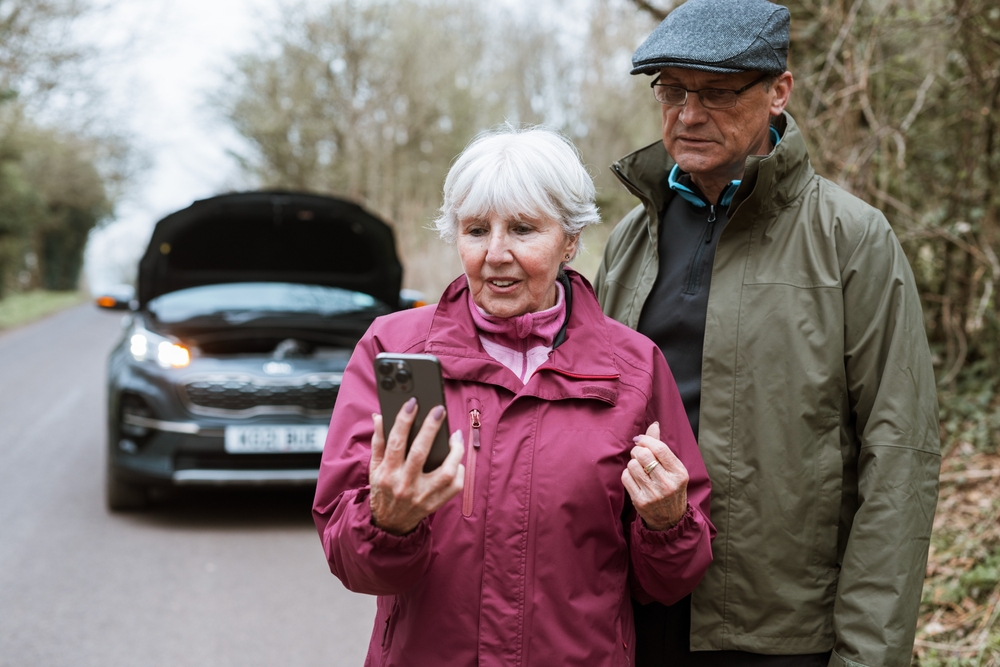
Peak travel is a powerful multiplier. AAA projected 81.8 million people would travel at least 50 miles over the 2025 Thanksgiving period, setting a new record. More travelers means more opportunities for roadside incidents, more inbound contacts, and more pressure on dispatch and status updates, especially when things go sideways due to traffic, weather, or limited provider availability.
Now add weather. A cold snap can create a sudden cluster of similar issues, and that uniformity does not make it easier. It makes the queue move faster, but it also raises the risk of mistakes if the process is not tightly managed.
In late January 2026, AAA East Central reported more than 37,000 service calls over several days, about 80% higher than a typical winter volume. That is the definition of a surge: not a gradual rise, but a steep, sustained spike that outpaces what normal scheduling can cover.
For many roadside operations, the hardest part is not just the volume. It’s the timing. Surges often hit evenings, early mornings, and weekends, precisely when staffing is thinnest. That is why after-hours roadside assistance needs to be treated as a core capability, not an add-on.
The customer experience problem that surges expose
Roadside assistance is a high-emotion interaction. Drivers are cold, late, anxious, sometimes with kids in the car, sometimes in unsafe locations. During peak demand, customers don’t just want empathy. They want clarity.
They typically need three things, fast:
- Confirmation that help is actually on the way
- A realistic ETA that gets updated when conditions change
- Clear next steps if the situation escalates or becomes unsafe
When staffing is short, the cracks show up in predictable places: long hold times, rushed triage, incomplete location details, repeat contacts for status updates, and inconsistent notes that slow dispatch.
This is where contact center surge support becomes more than overflow coverage. It becomes the mechanism that protects the end-to-end workflow when it is under pressure.
The workforce reality inside most contact centers

Surge demand collides with another trend: staffing instability. In Metrigy research, contact center turnover rose from 21.8% in 2022 to 28.1% in 2023, with a projected 31.2% in 2024, and those numbers are steadily rising year after year. High churn makes it harder to keep a deep bench of experienced responders ready for the exact moments when experience matters most.
That is why roadside leaders are increasingly treating resilience as a staffing design problem. If you rely solely on a fixed internal team, you can end up choosing between two bad options during surges: overstaff “just in case” (expensive), or under-staff and absorb the customer impact (risky).
Roadside assistance outsourcing can reduce that risk when it is built intentionally: with documented workflows, escalation rules, QA coverage, and staffing models designed for volatility.
What effective surge support actually looks like in roadside programs
Not all outsourcing is created equal. In roadside, you’re dealing with real-time service delivery, third-party providers, and lots of edge cases. A strong model for contact center surge support typically includes:
A surge-ready staffing approach
You want a partner that can ramp capacity quickly without compromising consistency. The goal is to absorb spikes while maintaining accurate case capture, dispatch handoffs, and clean notes for the next agent.
Triage that’s built for safety and speed
During storms and peak travel, a meaningful percentage of contacts are time-sensitive. You need consistent screening questions, clear categorization, and urgent escalation paths that don’t rely solely on tribal knowledge.
Systems fluency and clean documentation
Surges create repeat contacts. Repeat contacts are manageable if every interaction is documented with clarity. If not, every follow-up becomes a re-intake, which inflates handle time and frustrates customers.
Status update coverage that reduces repeat calls
A huge portion of surge traffic is “where is my driver?” updates. After hours roadside assistance is often dominated by status requests, changes to pickup location, safety concerns, and cancellations. Outsourcing can help by dedicating capacity to these updates so your core dispatch flow doesn’t get bogged down.
AI voice agents that deflect simple calls without blocking help
During surges, many roadside calls are repetitive and rules-based, like basic intake, member verification, and routine status checks. AI voice agents can handle these to reduce queue pressure and free live teams for complex or safety-related situations. The key is clear guardrails and fast handoffs so customers can reach a person when needed.
After hours is where the brand gets tested

After hours roadside assistance is not simply daytime work at night. It is different in three important ways:
1) Provider availability is tighter
Fewer drivers, fewer shops open, fewer options, and more variability in ETA accuracy. Communication must be more careful, not less.
2) Safety risk is higher
Darkness, extreme temperatures, and unfamiliar roads raise the stakes. Scripts and escalation logic need to prioritize safety-first guidance.
3) Customer patience is lower
If someone is stranded at 11:30 PM, they’re not comparing you to competitors. They’re comparing you to their own expectations of being helped quickly. That makes speed and clarity the whole experience.
In practice, roadside assistance outsourcing is often most valuable after hours because it protects response capacity when internal staffing naturally dips. It also helps smooth the transition between late-night intake and next-day resolution, which is where cases often stall.
Where to use outsourcing without creating operational drag
A practical approach is to start outsourced support in clearly defined parts of the workflow, then expand coverage as results and consistency are proven.
Common starting points include:
- Overflow intake during peak demand (a direct contact center surge support use case)
- Status updates and ETAs to reduce repeat calls
- After hours roadside assistance coverage for nights, weekends, and holiday windows
- Backlog cleanup after a weather event, including follow-ups and documentation fixes
This keeps risk low because you’re not overhauling the entire program at once. You’re adding capacity where demand hits hardest first.
A quick checklist for surge season planning

Here is a simple planning checklist you can use before weather season and peak travel windows:
- Confirm surge triggers (weather alerts, travel forecasts, historical spikes)
- Define which contact types can be handled by overflow teams
- Lock down escalation rules for safety and priority incidents
- Standardize case notes and required fields to reduce rework
- Ensure QA coverage and real-time coaching during surge windows
- Establish a “status update lane” so dispatch stays clean
- Align on how after hours roadside assistance cases are handed off to daytime teams
A partner supporting roadside assistance outsourcing should be able to plug into this structure quickly, then improve it over time with reporting and refinement.
The bottom line: get surge-proof roadside support with Liveops
Weather and peak travel are not unusual events anymore. They’re recurring stress tests. The organizations that win are not the ones that guess perfectly. They’re the ones that plan for volatility.
Liveops helps roadside programs stay ready for spikes with precision scheduling and a skilled network of agents that can support fast intake, accurate case capture, and clear, consistent updates from first contact through dispatch.
With roadside assistance outsourcing backed by contact center surge support, teams can add capacity quickly while protecting process consistency, reducing repeat “where is my driver?” calls, and keeping customers informed as conditions and ETAs shift.
And because surges don’t stop at 5 PM, Liveops helps strengthen after hours roadside assistance coverage across nights, weekends, and peak travel windows, so responsiveness stays high when drivers need help most.


Let’s connect
Sales reps are available to help you meet your customer service needs with greater flexibility, lower cost, and better outcomes.
Related Resources



Stop outsourcing, start outsmarting
Join the brands redefining customer experience with Liveops. Empathetic agents, tech-powered delivery, and the flexibility to meet every moment. Let’s talk.

Explore flexible customer experience solutions