
Why Transportation Support Plays a Bigger Role Than Many Think
minutes

Transportation is often viewed as a logistical function. Something to coordinate, schedule, optimize, and move efficiently from point A to point B. And yes, that’s part of it.
But that framing leaves out something important.
For the people relying on transportation services, the experience isn’t just about movement. It’s about dependability. It’s about clarity. It’s about whether the system feels responsive when something is time-sensitive and important. In many cases, the support surrounding the trip shapes the experience just as much as the trip itself.
That’s why transportation support deserves far more attention than it often gets.
A real-world look at transportation demand spikes
A recent Liveops case study brings that reality into focus.
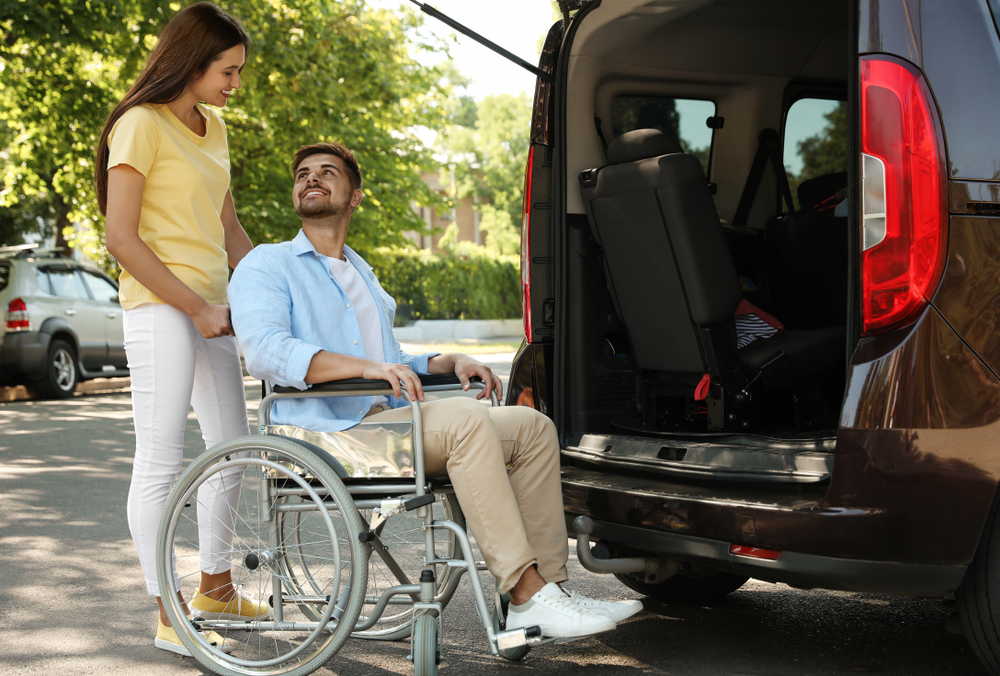
In the case study, Liveops supported a rapidly growing non-emergency medical transportation provider facing major Monday surges, fast-rising call volume, and seasonal demand pressure.
The numbers tell an impressive story: 580%+ call volume growth in three weeks, 40% peak season surge capacity, and a 75% faster ramp-up time. But the bigger takeaway goes beyond growth metrics. It highlights what strong support means in a transportation environment where continuity and reliability matter.
What stands out isn’t only the scale. It’s the reality behind it.
Transportation support becomes most visible when demand is high, when timing matters, and when the people reaching out don’t have room for confusion. That’s when the quality of support becomes impossible to ignore.
The support experience is part of the trip
One of the biggest mistakes organizations can make is treating transportation operations and transportation support as two separate functions.
They aren’t.
Before a trip happens, someone may need to confirm details, ask a question, understand next steps, or get reassurance that everything is still on track. If the support around that process feels slow, unclear, or disconnected, the transportation experience starts to break down before the ride even begins.
That matters because people don’t experience services in neat operational categories. They experience the full journey. And if one part feels fragile, the entire service feels less reliable.
In transportation environments tied to healthcare, that becomes even more important. These aren’t casual errands. These are often critical appointments, essential services, and scheduled moments that carry real consequences if something goes wrong.
That’s why support can’t be treated like a side function. It’s part of what makes the service dependable.
Monday spikes are where the pressure gets real
One of the most revealing details in the case study is that around 30% of weekly volume occurred on Mondays.
That says a lot.
Mondays tend to concentrate demand. Requests build over the weekend. Scheduling activity picks up. Questions come in all at once. Operations move back into full swing. The beginning of the week becomes a pressure point, and if the support model isn’t prepared for it, the strain shows up fast.
In transportation, that strain can create a chain reaction.
- Long wait times create uncertainty.
- Uncertainty creates frustration.
- Frustration weakens trust in the service.
And trust is a major part of transportation support. When someone depends on a ride to get somewhere important, they want to feel like the system is working with them, not forcing them to chase answers.
That’s why Monday performance is about more than staffing. It’s about whether the model can protect the experience during one of the week’s most compressed and demanding windows.
Transportation is about reducing uncertainty
One of the most valuable things a strong transportation support model can do is reduce uncertainty.
- People want to know what’s happening.
- They want to know if someone is available.
- They want to know if the service can handle demand.
- They want to know that if help is needed, they won’t get stuck in confusion.
- That may sound simple, but it carries real weight.
When transportation is tied to something important, especially in care-related settings, uncertainty becomes part of the burden. A support experience that provides clarity, confidence, and responsiveness can make a meaningful difference. A support experience that feels delayed or disjointed can make the situation feel even more fragile.
That’s why the value of transportation support shouldn’t be measured only by whether trips are completed. It should also be measured by how well the service helps people navigate the moments around the trip.
Flexibility matters because transportation demand rarely stays steady
Transportation demand is shaped by real-world patterns. Day-of-week concentration. Seasonal pressure. Program growth. Schedule changes. Coverage fluctuations. Operational realities that don’t always fit neatly into a forecast.
That’s why rigid support models often struggle in these environments.
A model that works during normal conditions may start to crack the moment demand accelerates. And transportation programs aren’t judged during normal conditions. They’re judged when the week gets busy, calls start stacking up, and people need answers right away.
That’s where flexibility becomes essential.
Being able to scale quickly, align support more closely to demand patterns, expand bilingual capacity, and maintain visibility into service quality isn’t just operationally efficient. It’s what helps transportation programs remain dependable when things get more difficult.
And that dependability matters because transportation doesn’t feel optional to the people relying on it. It feels necessary.
The human side of transportation support is easy to underestimate
This is where transportation support becomes especially important.
Transportation may sound operational and process-driven. But for the person using the service, it often feels deeply personal.
- They may be coordinating around work.
- They may be helping a family member.
- They may be trying to make it to something they can’t afford to miss.
- They may already be stressed before they ever reach out.
That means every interaction carries more weight than a standard service touchpoint.
A quick, clear answer can ease tension immediately. A confusing or delayed one can make the entire situation feel unstable. That’s why human support still matters so much in transportation environments, even as technology continues to improve.
Digital tools can streamline workflows. Automation can reduce friction. Smarter systems can improve visibility. But when someone needs reassurance, clarification, or help navigating a time-sensitive issue, responsive human support still plays a major role.
Why bilingual support and quality visibility matter too
Another important takeaway from the case study is that strong transportation support isn’t only about scale. It’s also about accessibility and consistency.
Bilingual support matters because transportation services need to be usable and understandable for the populations they serve. Quality visibility matters because when programs grow quickly, organizations can’t rely on limited spot checks or assumptions. They need a clearer view into what’s happening across interactions.
That’s what makes this kind of support model more meaningful. It’s not just scaling for the sake of scaling. It’s scaling in a way that helps preserve service quality, accessibility, and confidence.
What transportation leaders should be asking now
As transportation programs grow more dynamic, there are several questions leaders should be asking:
- Is the support model built for concentrated Monday demand, or only for general averages?
- Can the organization flex fast enough when weekly patterns shift?
- Is the support experience reducing uncertainty for the people relying on the service?
- Do language capabilities support broader accessibility?
- Can the operation scale without losing quality, visibility, or consistency?
Those questions matter because transportation support is often where operational performance becomes real for the people using the service.
Looking ahead
Transportation support may not always get the spotlight, but its importance is only growing.
As services become more connected, more time-sensitive, and more visible to the people relying on them, the support experience becomes harder to separate from the service itself. That creates both a challenge and an opportunity.
The challenge is making sure the model holds up under pressure.
The opportunity is that when it does, it strengthens trust in a very real way.
That’s why this case study feels bigger than one success story.
It reinforces something transportation leaders should already be thinking about: support isn’t just there to process requests. It’s there to help people move through important moments with less friction, less uncertainty, and more confidence.
And in transportation, that kind of reliability means everything.
If you’d like to learn more about how to optimize transportation support in healthcare, shipping and logistics, or other high-demand environments, connect with us.


Let’s connect
Sales reps are available to help you meet your customer service needs with greater flexibility, lower cost, and better outcomes.
Related Resources

GigCX in Action: How to Deliver an On-Demand, High-Quality Customer Experience →

Understanding Nearshore Customer Service: Benefits for US Companies →

Chief Experience Officer Exchange Recap: Smarter CX Starts with Outcomes →
Stop outsourcing, start outsmarting
Join the brands redefining customer experience with Liveops. Empathetic agents, tech-powered delivery, and the flexibility to meet every moment. Let’s talk.

Explore flexible customer experience solutions