
The Future of CX is Smarter Orchestration, Not More Automation
minutes
As customer experience leaders race to adopt AI, many are asking the wrong question. The goal is not to automate more, but rather, to orchestrate better.
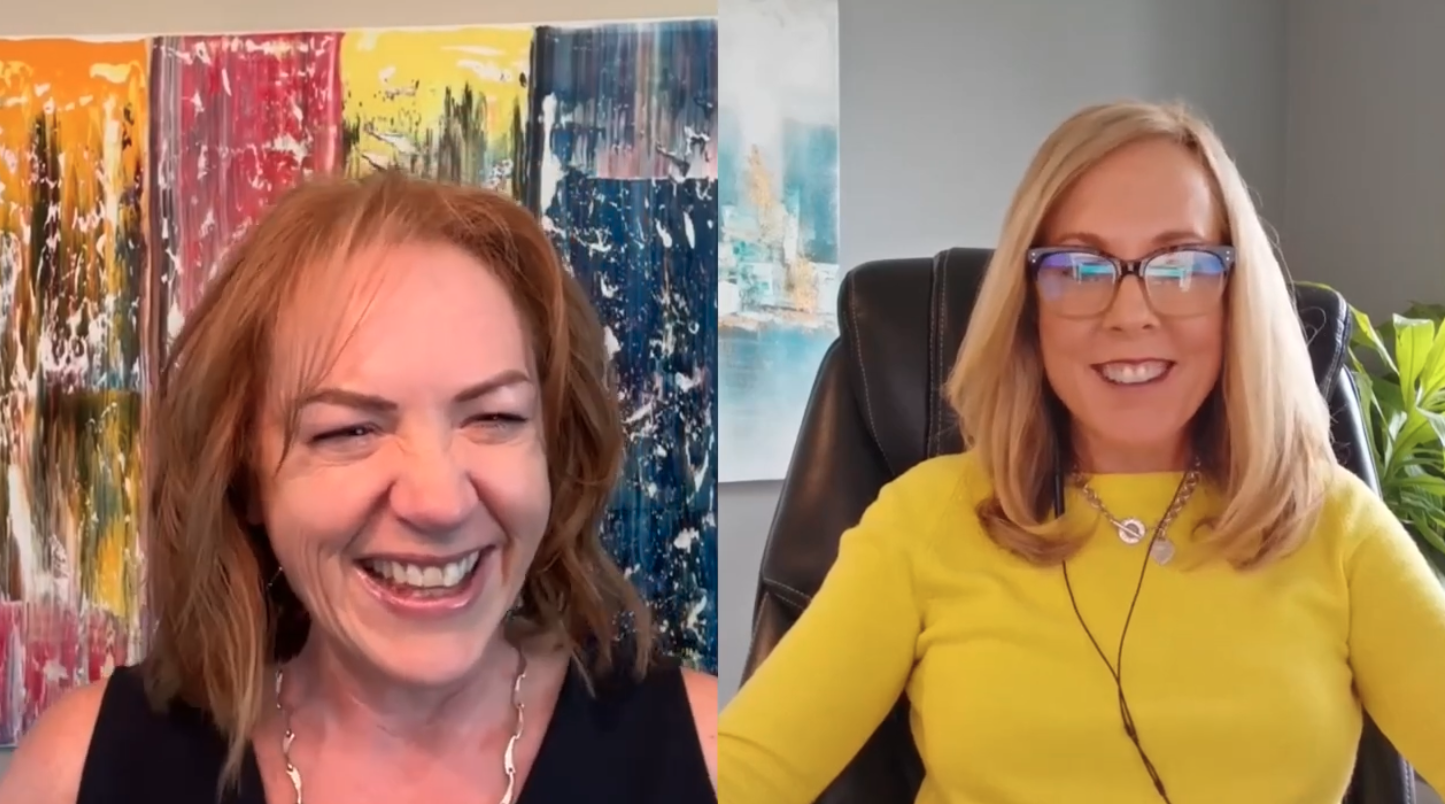
That was one of the clearest takeaways from Molly Moore, Chief Operating Officer at Liveops, in the season one finale of The Tech Matchmaker podcast with host Gina Gibson. In a conversation grounded in operational experience, Molly shared a practical perspective on where CX leaders are getting AI wrong, what it takes to scale quality without adding friction, and why the future of customer experience depends on blending human expertise with intelligent technology in a more intentional way.
For Liveops, the episode was more than a podcast appearance. It was an opportunity to reinforce what has long set the company apart: a deep understanding of service delivery strategy, a disciplined approach to operational performance, and a clear point of view on how AI should support, not overshadow, the human experience.
Why smarter orchestration matters now
Throughout the episode, Molly made it clear that many organizations are moving too quickly to deploy AI without first addressing the workflows, service models, and customer journeys underneath it all. Instead of fixing broken experiences, some brands are simply layering automation on top of existing inefficiencies.
That’s where Liveops is taking a different approach.
Rather than treating AI as a quick fix, Liveops is focused on helping brands apply it in ways that improve real business outcomes. That means looking closely at what customers actually need, where empathy and judgment still matter most, and how technology can support stronger execution instead of creating more complexity.
Molly also emphasized that businesses cannot afford to treat AI as a standalone initiative owned only by IT. The most effective AI strategies are tied directly to business goals, customer outcomes, and governance models that help organizations test responsibly before scaling.
This is a critical differentiator for Liveops. With 25 years of experience in customer service operations, Liveops brings both the human insight and operational discipline needed to help brands modernize with confidence rather than guesswork.
As Molly explains, the companies that will lead in the years ahead will not be the ones that automate the fastest, but the ones that redesign the experience with more discipline and a clearer focus on outcomes.
In this clip, Molly shares why the future of AI in CX depends on redesigning the customer experience around real business outcomes, responsible governance, and the people behind the work.

A service model built for quality, agility, and specialization
Another major theme in the episode was the strength of the Liveops model itself.
Molly discussed how the company’s independent contractor model has created meaningful advantages in both talent quality and operational agility. By connecting brands with highly skilled professionals who choose when and where they work, Liveops is able to attract people with experience, passion, and alignment to the industries they support.
That approach matters because customer experience is not just about filling seats. It’s about placing the right people in the right roles, especially when interactions require nuance, care, and brand alignment.
Molly also highlighted something that continues to distinguish Liveops in the market: its certification and specialization programs. Rather than relying on long, traditional onboarding cycles, Liveops has built a model that helps clients ramp programs faster while still maintaining strong quality and productivity.
This is an important proof point for brands looking for speed without compromise. In a market where many organizations feel pressure to move faster, Liveops is showing that efficiency doesn’t have to come at the expense of performance.
That commitment to readiness and specialization came through clearly when Molly described how Liveops helps clients accelerate ramp timelines while improving performance earlier in the process.
In this clip, Molly explains how Liveops compresses client onboarding timelines through award-winning certification programs that help teams reach quality and productivity faster.

LiveNexus and the shift from AI experimentation to real-world validation
One of the most important moments in the conversation centered on LiveNexus, Liveops’ new environment for testing and deploying AI capabilities in real operations with real data before moving into production.
Molly framed LiveNexus as a response to one of the biggest challenges facing CX leaders today: too many tools, too many promises, and not enough proof. Brands are being asked to invest in AI quickly, but many still lack a clear way to validate what actually works in practice.
LiveNexus changes that.
Instead of forcing companies to take risks in live customer environments without a clear roadmap, LiveNexus gives them a way to evaluate agent assist tools, automation, intelligent workflows, and other capabilities in a more controlled and measurable setting. It creates space to prove value, refine the approach, and scale with more confidence.
This reflects an increasingly important leadership position for Liveops. Rather than just talking about AI as a concept, Liveops is creating practical ways for brands to test AI responsibly, align it to business outcomes, and avoid the all too common cycle of overpromising and underdelivering.
It also reinforces a broader message from the episode: AI should not replace the human experience. It should strengthen it.
That philosophy becomes even more tangible in Molly’s explanation of LiveNexus, which is designed to help organizations move beyond AI theory and into real-world application with less risk.
In this clip, Molly introduces LiveNexus and explains how Liveops is helping organizations test AI in real operations, prove value with real data, and scale what works.

What this says about Liveops’ leadership in the market
The episode made one thing especially clear: Liveops is not chasing trends for the sake of relevance. It is applying decades of operational knowledge to one of the biggest shifts the customer service space has seen in years.
That matters.
A lot of companies are talking about AI. Far fewer are talking about governance, workflow redesign, measurement, and the role of human expertise with the same level of specificity. Even fewer can connect those ideas to an established service model that has already proven its value across high-stakes customer interactions.
Liveops can.
From its highly skilled contractor network to its consultative approach, certification capabilities, and innovation through LiveNexus, Liveops is showing what modern CX leadership looks like. It’s not about choosing between people and technology. It is about bringing them together in a way that is thoughtful, measurable, and built for real operational environments.
That’s the kind of leadership brands need right now, especially as customer expectations grow, AI capabilities evolve, and the pressure to deliver better experiences with greater efficiency continues to rise.
Final thoughts
Molly’s appearance on The Tech Matchmaker offered more than a recap of industry trends. It offered a grounded view of where customer experience is headed and what it will take to succeed there.
The future of CX is not about automation for automation’s sake. It’s about building smarter, more intentional operating models where people and technology work together to deliver measurable results.
In other words, Liveops isn’t just outsourcing. It’s outsmarting.


Let’s connect
Sales reps are available to help you meet your customer service needs with greater flexibility, lower cost, and better outcomes.
Related Resources

Live Chat Support Outsourcing: What Modern Brands Need to Get Right →

This FCC Proposal is About More Than Offshore Call Centers →

Outsourcing Lead Generation and Procurement: A Smarter Model for Revenue-Focused Sales Teams →
Stop outsourcing, start outsmarting
Join the brands redefining customer experience with Liveops. Empathetic agents, tech-powered delivery, and the flexibility to meet every moment. Let’s talk.

Explore flexible customer experience solutions